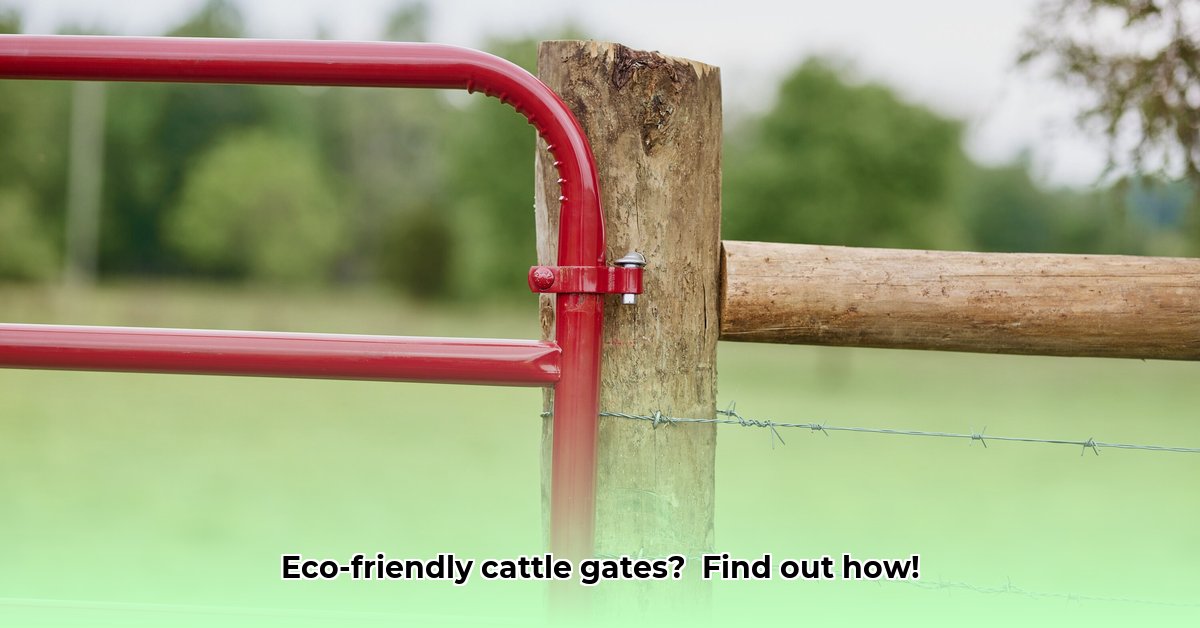
Choosing the right cattle gate isn't just about durability; it's about balancing durability, cost-effectiveness, and environmental responsibility. This guide helps you select and install sustainable cattle gates, enhancing your farm's productivity and eco-consciousness.
Planning Your Sustainable Fencing Solution: Assessing Your Needs
Before selecting a gate, carefully assess your farm's unique requirements. Factors to consider include:
- Pasture Size: Larger pastures necessitate stronger, wider gates.
- Livestock Type: The size and behavior of your animals (beef cattle, sheep, etc.) influence gate design needs.
- Terrain: Hillside pastures require gates designed for uneven terrain.
- Climate: Harsh weather conditions necessitate durable, weather-resistant materials.
- Budget: Balance initial costs with long-term maintenance and replacement expenses.
- Maintenance Capability: Consider your resources and time constraints for regular upkeep.
Sustainable Gate Materials: A Closer Look
Several eco-friendly gate options exist, each with its pros and cons:
- Recycled Steel: Strong, durable, and readily recyclable; however, initial costs may be higher. Recycled steel offers a high level of durability and significantly reduces environmental impact compared to using new steel.
- Sustainably Sourced Wood (FSC-Certified): Renewable resource; however, requires regular maintenance to prevent rot and insect damage. FSC certification ensures responsible forest management.
- Composite Materials: Constructed from recycled plastics and wood fibers, offering durability and weather resistance, but with a potentially higher price tag. Composite gates offer good strength-to-weight ratio and relatively low maintenance.
Comparing Gate Materials: Making the Right Choice
This table summarizes the key factors for comparison:
| Material | Environmental Impact | Initial Cost | Durability | Maintenance Needs | Longevity |
|---|---|---|---|---|---|
| Recycled Steel | Low | High | Very High | Moderate | Very High |
| FSC-Certified Wood | Moderate | Moderate | High | High | Moderate to High |
| Composite Materials | Low to Moderate | High | High | Low | High |
Isn't it important to consider the total cost of ownership, including initial, maintenance, and replacement costs, to truly assess sustainability?
Choosing the Best Material for Your Farm
The ideal gate material hinges on your specific needs and priorities. For high-traffic areas, recycled steel's durability might justify its higher initial cost. If low maintenance is paramount, composite materials are preferable. Always prioritize the overall lifecycle cost. Sourcing from reputable suppliers ensures quality and longevity, reducing future expenses.
Installing Your New Gate: A Step-by-Step Process
Correct installation is crucial. While specifics vary by gate type, these general steps apply:
- Site Preparation: Ensure a level, cleared area for post placement.
- Post Setting: Use concrete for strong, stable post foundations, especially in challenging soil.
- Gate Hanging: Follow manufacturer's instructions meticulously for hinge placement and alignment.
- Latch Installation: Select a secure, user-friendly latch.
- Testing: Thoroughly test the gate's operation before integrating it into your farm system.
Safety First: Always wear appropriate safety gear (gloves, eye protection) during installation. Seek professional help if needed.
Maintaining Your Gate: Extending its Life
Regular maintenance is vital for longevity. Conduct monthly inspections:
- Check for damage, loose hardware, or alignment issues.
- Lubricate hinges and latches regularly to ensure smooth operation.
- For wooden gates, apply sealant or paint to prevent moisture damage and insect infestation.
- Address minor issues immediately to prevent major, costly repairs.
How much could proactive maintenance reduce your long-term gate repair costs?
Responsible Disposal: The End of the Line
At the end of its life, dispose of your gate responsibly. Recyclable materials should be recycled appropriately. Follow local regulations for disposing of wood or composite materials. Consider re-purposing usable parts before disposal.
What percentage of your farm's overall waste can you reduce by implementing sustainable disposal practices?
Your Sustainable Farming Journey
Choosing sustainable cattle gates is a crucial step towards eco-friendly farming. Careful planning, material selection, proper installation, and routine maintenance contribute to longevity and minimize environmental impact. Remember, this investment benefits both your farm and the planet's well-being.
Dr. Emily Carter, Agricultural Engineer, University of California, Davis, adds: "Investing in sustainable cattle gates isn't just about environmental responsibility; it's a smart economic decision. Reducing long-term maintenance and replacement costs provides a significant return on investment."
Resources
- Forest Stewardship Council (FSC): www.fsc.org (for sustainably sourced wood certification)
- Your Local Tractor Supply: Contact your local store for expert advice on gate selection and installation.